

Balm for an Aching World
Garrett seeks to create learning laboratories that address urgent needs in churches and communities.
“Any theology that is indifferent to the theme of liberation is not Christian theology.” That is how one of Garrett’s most prominent alumni—the Reverend Dr. James H. Cone—characterized our task in his landmark book A Black Theology for Liberation. Beliefs that reduce God to abstract contemplation, Dr. Cone contended, are fundamentally aligned with the crucifying realities that inflict suffering. If Christians are called to resurrection, our faith cannot step around the cross.
Garrett’s faculty embrace this charge. Through their scholarship and the work of Garrett’s centers and institutes, love takes palpable form in our neighbors’ lives. Relationships develop between theorists and practitioners. Care networks are expanded. Churches are strengthened. Seemingly intractable problems are rendered solvable when confronted in community.
This work grows swiftly. Research in ethics, pastoral care, and applied theology illuminate thrilling possibilities. The Garrett Collective now offers free and low-cost skill trainings, accessible from anywhere. New partnerships with organizations like the Argentinian-based Biblica Virtual theological network and Africa University in Zimbabwe extend our reach. The Faith and Leadership Collaborative adds crucial insight from organizations like Northwestern University’s Kellogg School of Non-Proft Management. All these efforts are mutually reinforcing—they nurture ministries that are just as intersectional as the problems we face.
These programs offer Garrett students and alumni unprecedented opportunities for field education. As the church and world changes, we need vocational formation in areas where emerging forms of ministry are being cultivated, and job availability is growing. Learners are hungry to experience how ideas take root, become tactile, and spark significant change.
We could fill an entire magazine describing the myriad faces of this mission. Instead, we’ll offer three examples—illuminating ongoing ecological, wellness, and global health work. In each, we hope you’ll be moved by what we have accomplished. But pay equal attention to how your gifts can expand our reach and impact.
The Abundant Spirit campaign will bridge the transition between pilot projects and enduring structure. Your gifts will dramatically expand the number of communities who can participate. They will create internships and fellowships for students and alumni. They will empower present innovation to exponentially increase in scope ane scale. Our ability to alleviate suffering and help neighbors thrive isn’t only crucial for ecclesial vitality—it measures our commitment to the gospel. This work is where the way of Jesus leads.
Ecological Restoration: Hope for a Living Planet
This fall, bishops in the United Methodist Church received a beautiful curriculum to help them strengthen creation relations throughout their conferences. Designed by the Rev. Dr. Timothy Eberhart, who leads Garrett’s Center for Ecological Regeneration (CER), it’s tailored to help clergy embrace ecological theology by rooting deeply in relationship to land and neighbor.
It’s a beautiful example of the way that community-based ecotheology has become a defining feature of Garrett’s life, scholarship, and public witness. Moreover, the CER’s methodology makes it distinct in an ecological advocacy landscape that too often offers one-size-fits-all solutions.
Grounded in the witness of Garrett’s Indigenous Study Committee and an intimate understanding of the Midwest bioregion, CER weaves knowledge, practice, and partnership. It invites students, clergy, congregations, and practitioners to collaborate—holding love and justice in tender balance. Programs offer more than sustainability practices; they nurture deep compassion for land and people.
The climate crisis is not caused by a lack of technical solutions. Renewable energy and sustainable design are readily available. Scientists and ecologists’ recommendations are clear. The consequences of inaction only grow stronger as communities suffer extreme heat, flooding, food insecurity, rising costs, and existential anguish about our collective future. What we need is leadership that nurtures place-centered wisdom and builds resilient coalitions that can change what is politically possible.
The CER offers an exceptional foundation for this work. It is forming students and alumni in ecological theology, regenerative ethics, and earth-based religious practices. It has also begun building partnerships with congregations throughout the Midwest through the Midwest Bioregional Hub, which invites churches into a sustained process of learning, discernment, and regenerative mission rooted in their own communities. That work fuels our future vision.
The Seminary can help more congregations discern how their land, buildings, relationships, and mission might contribute to local healing. Your gifts can help us expand the Midwest Bioregional hub across the United States, carrying its ethos of local rootedness into new biomes. Churches would receive training, technical support, peer learning, and small grants to develop ecological projects rooted in their own context. We could create an ecological fellows program for students and alumni: A student preparing for pastoral ministry might help a congregation develop a creation relations plan. A parish minister or community organizer might plant a garden and grow a neighborhood movement for environmental justice. Seed grants can demonstrate community benefit and spur long-term commitments.
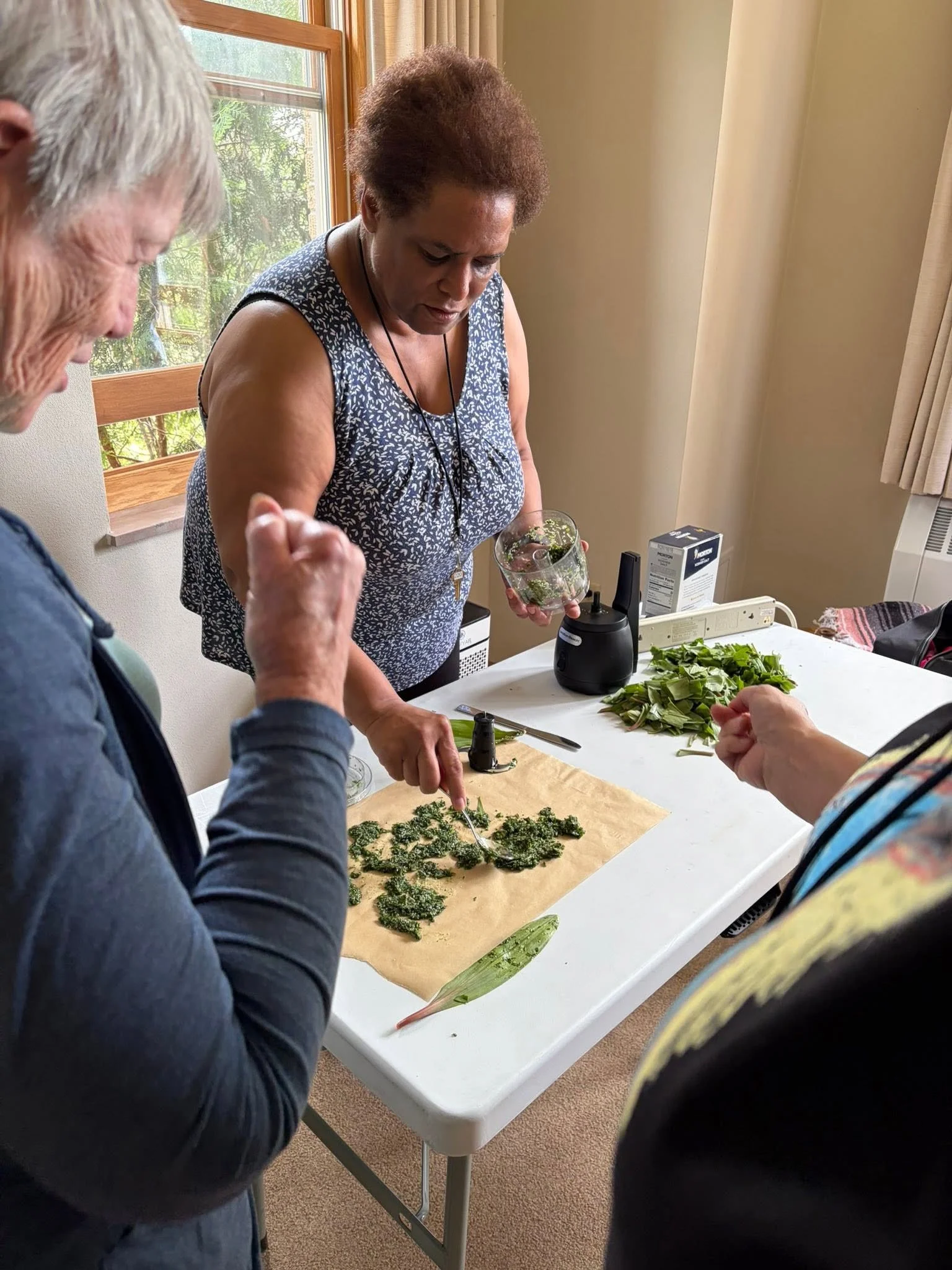
Last summer, students in our Ecological Certificate Program joined CER staff, local activists, and Garrett community members at Holy Wisdom Monsatery in Middleton, Wisconsin. Nestled in the woods and prarie, the group worshipped, reflected, and sang together. They learned to cook with native plants. They tended to ecological grief and kindled moral imagination about how we mend what is breaking. The love experienced in that circle—and the tendrils now sprouting in the places where participants returned—is growth that we must water. Our holy texts begin with God’s act of creation and an invitation to humanity to partner in this work. We are called to answer.
Mental Health and Community Resilience
Few challenges have emerged more clearly than the growing crisis of mental health and social isolation. Thought we are more digitally connected than ever before, loneliness is rampant. Rates of anxiety and depression are skyrocketing. Trauma is widespread. The need for trained counselors and clinicians grows swiftly, and our healthcare systems cannot keep pace. Rural communities, underserved neighborhoods, older adults, caregivers, and young people often face particularly significant barriers to access care.
At the same time, faith communities continue to occupy a unique place within the social fabric. Long before individuals seek professional treatment, they often turn to someone they trust: A pastor. A chaplain. A congregational leader. For generations, church is where people bring grief, fear, uncertainty, loss, and hope. Yet many faith leaders themselves report feeling underprepared for the growing complexity of mental health needs they encounter. Others carry extraordinary burdens while lacking sufficient support for their own wellbeing.
Garrett is uniquely positioned to address this challenge. Led by Dr. AHyun Lee, the Master of Arts in Pastoral Care and Counseling is our fastest-growing degree program. Our faculty are leading experts in their fields. Alumni are passing their licensing exams, becoming part of the ~100,000 care providers the U.S. will need by 2040. Students and communities are hungry, and the Seminary is ready to build ecosystems of care.
A Garrett Mental Health and Community Resilience Network would begin with a simple premise: healing is most effective when experts and communities collaborate. In Evanston, your gifts can create a Garrett Counseling and Community Wellness Center. Serving both as a clinical resource and a training site, the Center would provide counseling services, family support programs, and clergy wellness resources while creating experiential learning opportunities. Beyond Evanston, the Network could establish regional partnerships with congregations, nonprofit organizations, healthcare providers, and counseling centers. Telehealth partnerships could expand access to communities where mental health resources remain scarce.


Care for aging populations is a particularly promising focus. Few challenges will be more profound in the coming decades. People are living longer than ever before. This is a blessing, but it also poses new concerns. Families often navigate complicated healthcare systems, difficult decisions, social isolation, grief, and emotional strain with limited support.
For individuals living with dementia and other cognitive conditions, questions of identity, autonomy, and belonging emerge with increasing urgency. Loved ones frequently struggle not only with practical caregiving responsibilities but questions of meaning and loss. These are not simply medical issues. They are theological concerns about what it means to honor human dignity through every stage of life.
To meet these needs and more, Garrett can serve as both a center of learning and a platform for practical action. Your gifts can fund student clinical training opportunities, regional partnership networks, telehealth infrastructure, and community-based pilot programs.
Where Jesus went, people were healed. The ensuing centuries have not lessoned that responsibility for those who seek to follow him. This work is ours to do.
Healing Across Borders
Through the Religion and Global Health Forum (RGHF), Garrett has established a distinctive platform to nurture wholeness. Health is never just a medical concern. It is also a product of spiritual, social, and economic forces. Under the leadership of Dr. Kenneth Ngwa, the Forum has brought together scholars, healthcare professionals, clergy, faith leaders, students, and community organizations to explore how religious communities contribute to healthier and more resilient societies.
Recent cuts to global health and aid funding by the US government have left communities across the world desperate for healthcare. Consequences are dire in remote settings, where people confront geographic, technological, and economic barriers. The physical, financial, mental, and spiritual costs of care are enormous. Too often, race and class become the best predictors of whether people can live and thrive. RGHF seeks to build the infrastructure and values necessary to address those needs. Churches become a particularly crucial resource in that mission. Research shows that religion/spirituality is a key social determinant for health—especially on the continents of Africa and Asia where some of the fastest growing countries are also the most religious.
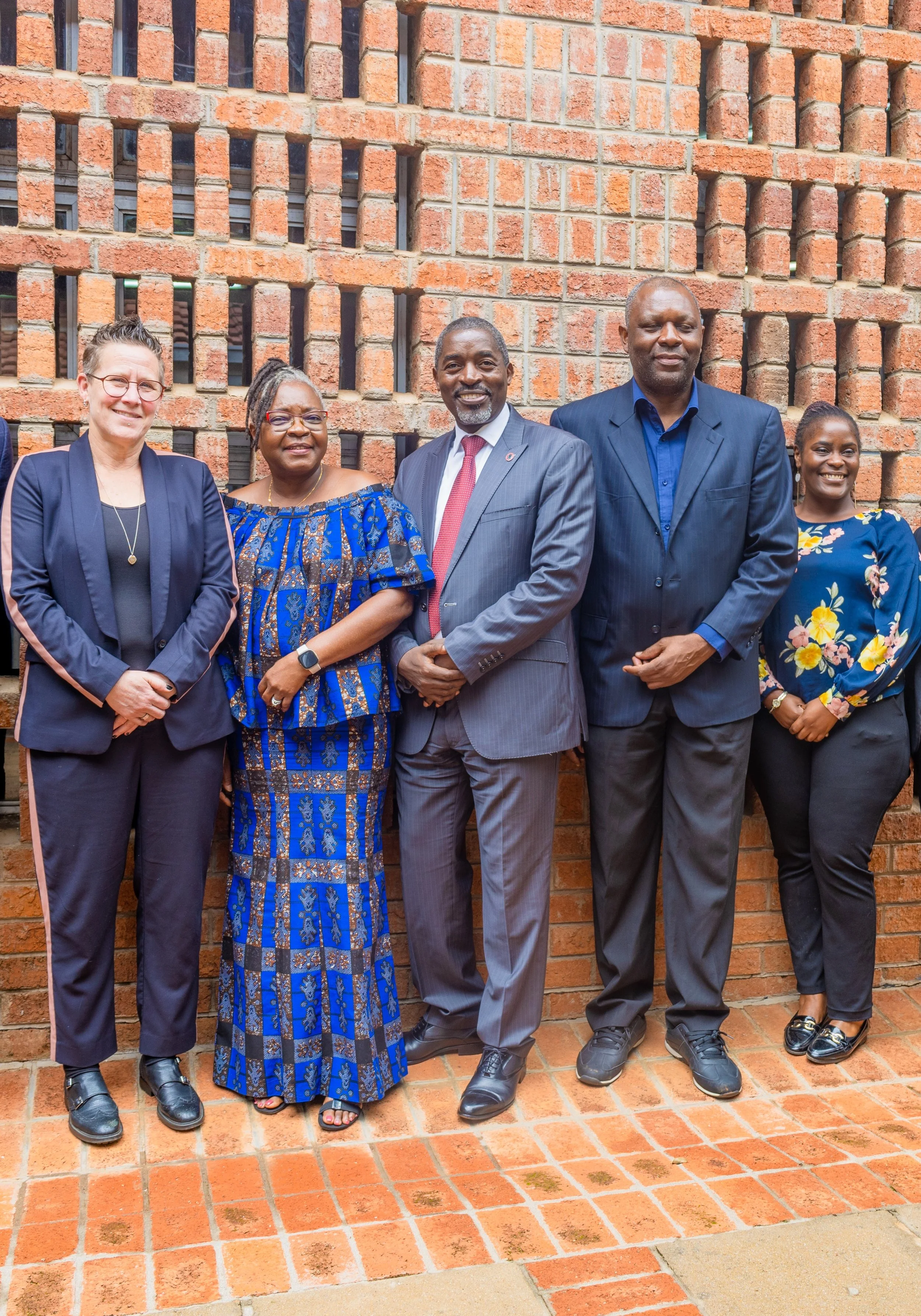
A growing partnership between RGHF and Africa University offers a window to see this work in action. Led by Garrett alumnus the Rev. Dr. Peter Mageto (MTS ’01, PhD ’04), AU has close relationships with churches across the continent. The University also features a cutting-edge Department of Biomedical and Laboratory Sciences, which can offer place-based medical insights. Together, we are designing a program to train clergy to serve as first responders in a woven network of care.

Millions of people live hours from the nearest hospital, but walking distance from a church. In addition, a history of medical discrimination and exploitation by pharmaceutical companies discourages many from seeking treatment. Clergy are uniquely situated to build trust between congregants and doctors. They can learn to track symptoms for chronic conditions and help people discern when they should seek professional care.
While these needs are particularly acute in the African continent, mistrust in medical institutions and unequal access to care are widespread. In the United States, we’ve seen both forces contribute to crises like the measles resurgence. The training we develop will offer a blueprint that RGHF can modify and implement in rural Wyoming or South Dakota, in mountainous villages in Chile, or remote Indian states.
Through your gifts, the Forum can create extraordinary opportunities for student formation.
Whether students are passionate about maternal health, infectious disease, or food insecurity, the Forum can pair them with medical teams who are developing and implementing solutions. These relationships create opportunities for reciprocal learning and collaborative problem-solving.
Campaign investments would enable the Forum to expand its research agenda, deepen global partnerships, establish student fellowships, support visiting practitioners, convene international gatherings, and launch community-based demonstration initiatives focused on whole-person health. Your gifts can empower Garrett to build from scholarship into practical tools and programs for congregations, healthcare systems, and community organizations.
John Wesley’s conviction still burns with urgency, “The world is my parish.” We are sick until every neighbor has the resources to be well.
Nurturing Hope in Chicagoland
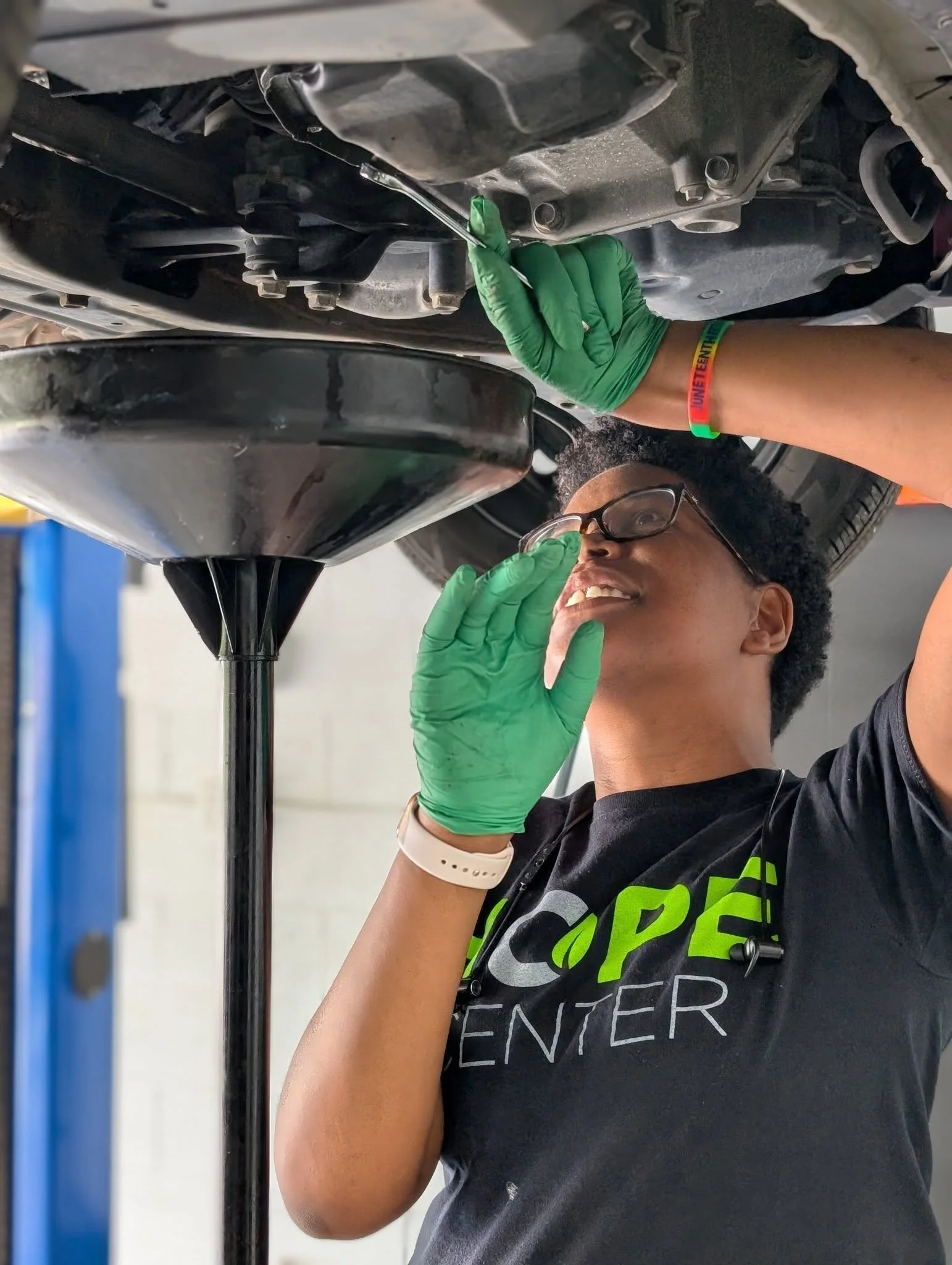
Moises Mendez (DMin) empowers neighbors through vocational training.