

We Need Spiritual Revival
Garrett’s graduates are uniquely poised to build consensus and work for change.

The Church is changing. Many congregations are struggling. Younger generations seek spiritual nurture outside their walls. What’s crucial to understand, however, is that this trend is not exclusive to organized religion. In the past 30 years, public trust across every institution has cratered. This year, Gallup reported that only 17% of people trust the news they read. Confidence in public schools is 27%. Organized labor? 26%. The medical system? 28%. Congress? Just 9%. At 33%, faith in churches is a shadow of the 61% highwater mark recorded in 2001, but the decline reflects an entire culture in crisis. We have a gaping hole in our social fabric. Garrett is uniquely positioned to help mend it.
A lack of technical expertise did not incite this civic collapse. Information is more readily accessible than ever before. Ethical and effective leadership is what we most potently lack, a willingness to prioritize the public good above personal gain. As the ubiquity of artificial intelligence reshapes entire industries, distinctly human capacities—interpersonal skills, compassion, and wisdom—will become our most precious commodities. Leaders who can meld expertise across disciplines will determine whether we can collectively recover.
In the past five years—against these fierce cultural headwinds—Garrett has emerged as a beacon of innovation and vitality. We have shown our ability to extend the seminary’s reach while remaining committed to our core mission. We have widened the doors through which our students enter without making their formation shallow. The seminary is building from momentum: growing enrollment, vibrant faculty imagination, exciting partnerships, and new forms of learning. We can do more than make theological education dynamic and sustainable. We can revitalize the Church, bringing hope and healing to God’s people. And the students who seek seminary education for a wide range of vocations will ensure these gifts extend far beyond parish life.

The Center’s interdisciplinary approach is increasingly mirrored in the students who enroll at Garrett. Many who seek to become parish clergy approach that work bivocationally, explicitly wondering how they can bridge church and culture. Aspiring hospital chaplains seek to provide care for patients but are also asking more fundamental questions about how the medical industry treats people. Soon-to-be clinicians are learning skills for trauma-informed counseling and thinking about how we can uproot social forces that leave people traumatized. And we are seeing more students who want seminary formation so they can become community organizers and elected officials, activists and artists. The wide deficit in public trust is more than readily apparent, it’s deeply felt. Students are choosing Garrett because monumental challenges require bold strategy and holistic formation. They want to learn how to bring this approach to their communities.
But there’s another reason why people are flocking to our doors: The gospel offers hope to those who live afflicted by systemic brutality. Jesus called disciples from among those who were ravaged by the Roman empire’s violence because God offers abundant life beyond structural death. A promise to set the captive free is particularly potent for those who feel encaged.
Nor can Jesus’ mission be confined within any parish’s walls. When he promises that our faithfulness will be measured by how we heal the sick, clothe the naked, and care for imprisoned people, those words potently remind us of our calling’s staggering breadth. Yes, we should be troubled by widespread skepticism about the Church. We should be even more disturbed by a world in seeming free-fall. The mantle of leadership for this moment hangs heavier than a stole. We have long shown our ability to train people who will follow Christ as servant leaders. We are attracting students who want to pursue that path across a staggering range of vocations. The question is whether we will be able to expand these systems to dramatically extend their reach and magnify their impact. Can we truly be repairers of the breach?
We are at an inflection point. The infrastructure your gifts have built needs philanthropic investment to move from tantalizing promise to enduring legacy. The stakes are too high to fail. This campaign is the chance to ignite passion and purpose in the leaders who will guide our spiritual revival. It will dramatically strengthen the institutions they will serve. And it will ensure this change has roots deep enough to seize the sunlight and weather any storm. Love and wisdom are moving in this place—the God who overcomes crucifying realities and embodies resurrection. The moment has arrived to offer that Abundant Spirit the scaffolding it needs to become a permanent foundation. There is still enough time to replace fear and suspicion with trust. Join us as we chart a new century for Garrett and once again proclaim: Life will have the final word.
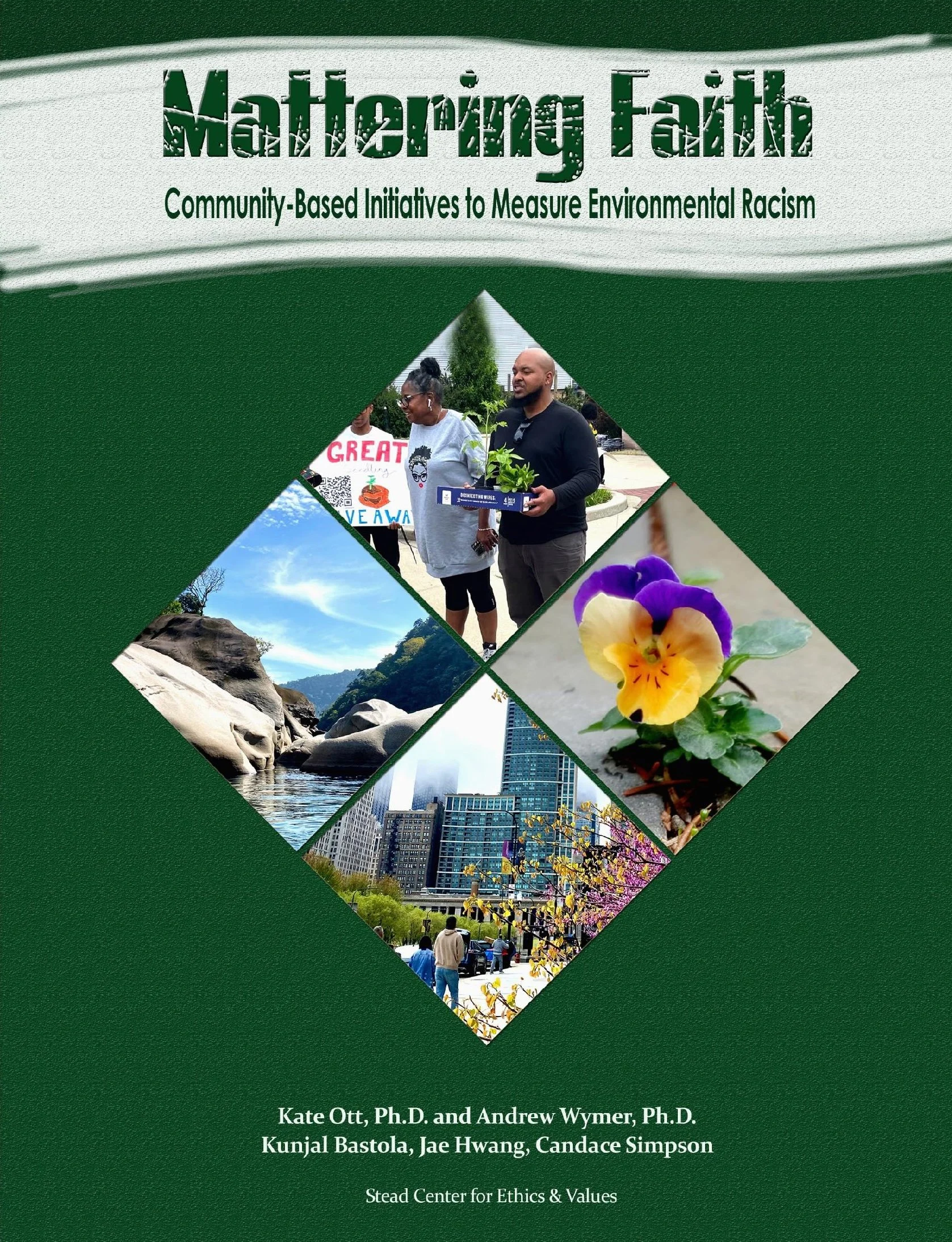
Garrett’s Stead Center for Ethics and Values embodies the seminary’s commitment to expansively engage this work. To choose a few initiatives: Their Art of Ethics series encourages children to depict the kinds of communities in which they yearn to live, nurturing creativity to kindle moral imagination. They partnered with community members across Evanston to conduct citizen scientist air quality monitoring, empowering people to measure environmental racism’s ongoing effects, and produced a public report to document their findings. And Center director Dr. Kate Ott’s scholarship engages existential questions that artificial intelligence poses; a much sought-after speaker, the World Association for Christian Communication’s European chapter recently invited her to present on "AI and the Social Gospel: Reclaiming a Moral Voice for Advocacy."
An Investment in the Local Parish
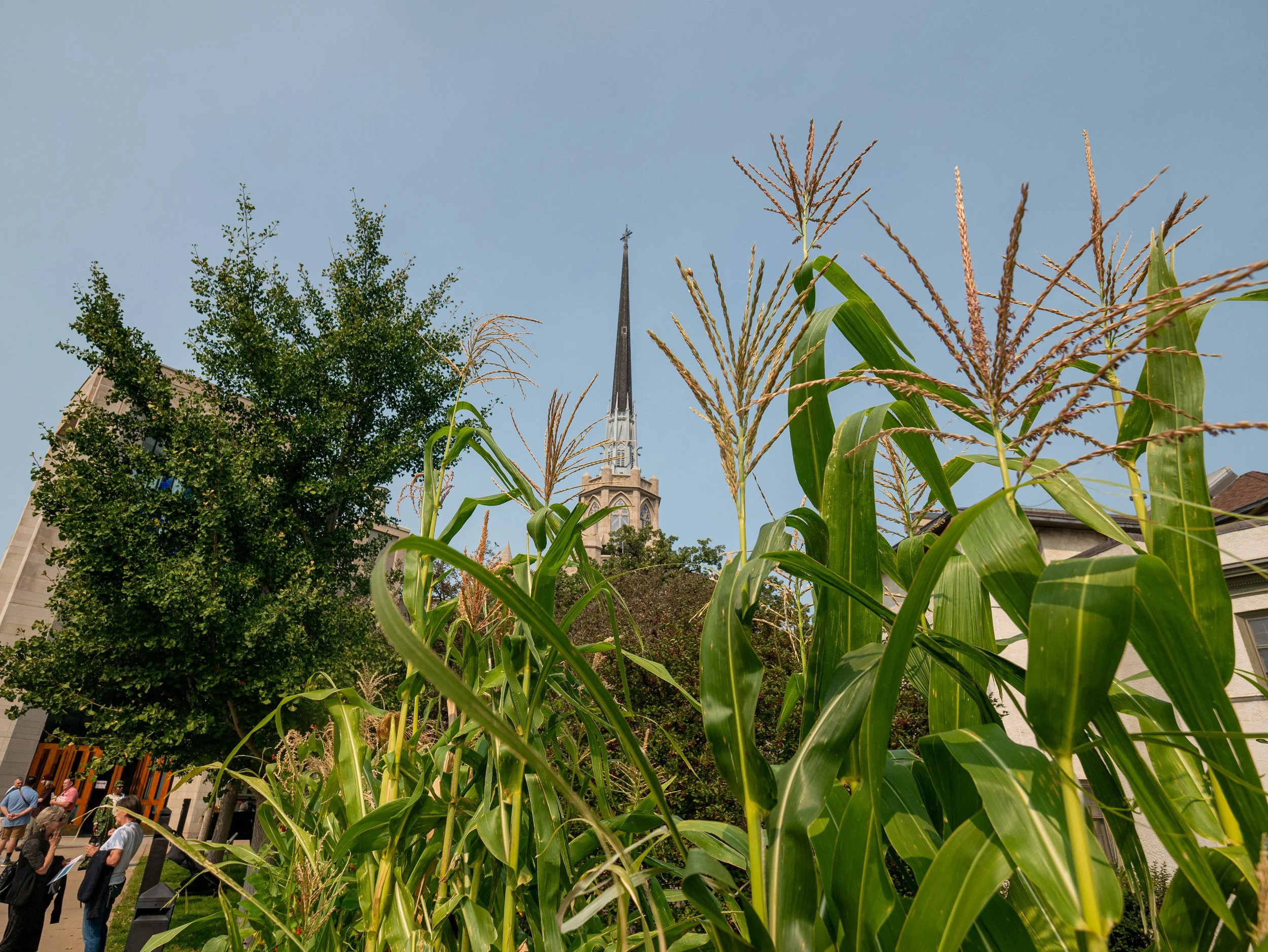
The Center for Ecological Regeneration helps create “A Cathedral for All Creation.”