

Led by Faith, Building from Strength
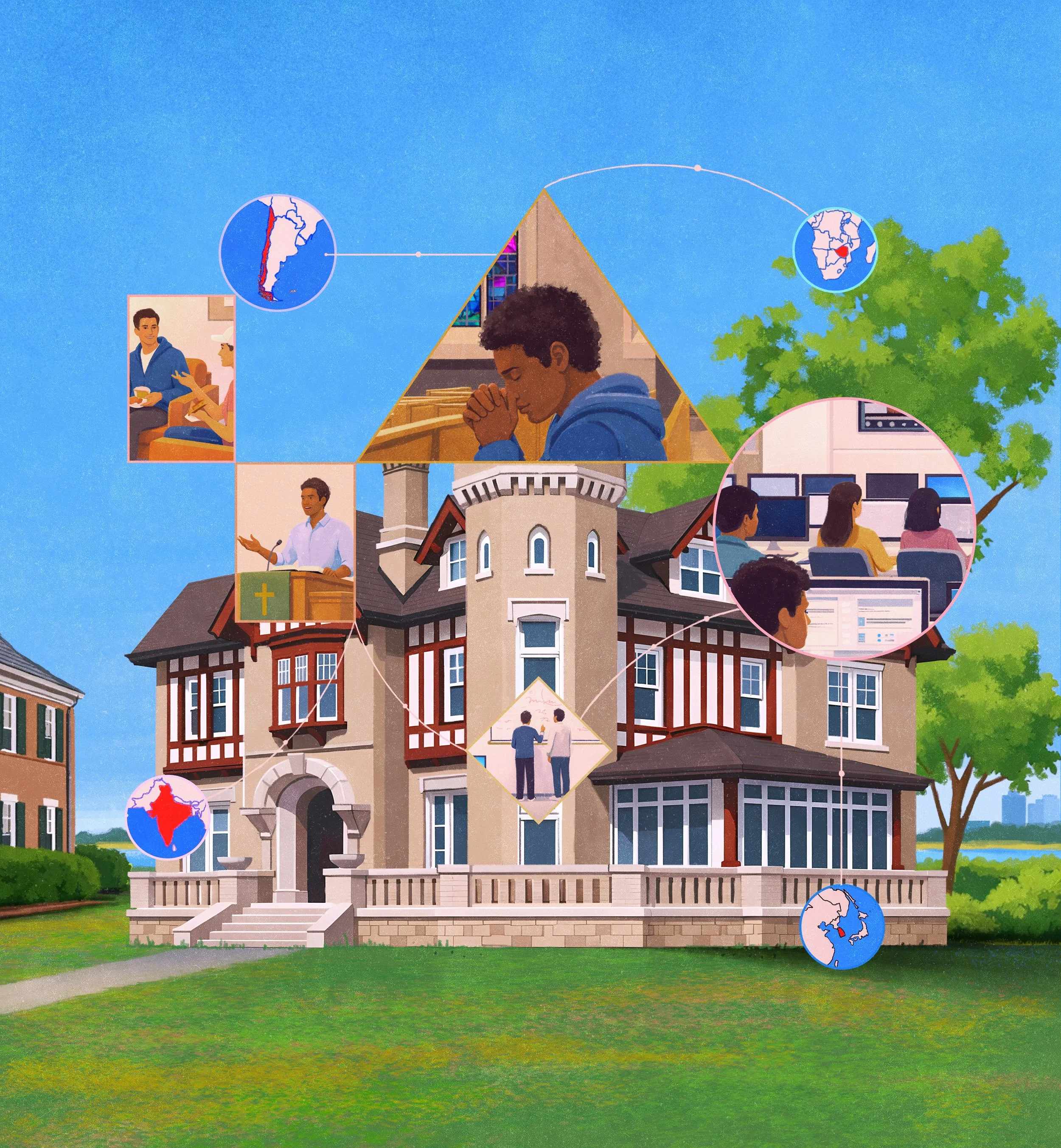
Garrett is a place where leadership formation and public impact strengthen one another. That’s a central conviction for this year’s Homecoming in November, when Garrett plans to publicly launch a new comprehensive campaign. Your investment will fund a bold future, one that will expand our academic vision and amplify the reach of our students, faculty, and alumni.
For more than 170 years, generations of pastors, chaplains, counselors, scholars, nonprofit leaders, educators, and community organizers have carried Garrett's influence into the world. They received opportunities because other people invested in their ministries, and they repaid that generosity by empowering others. The Seminary's impact has never been measured solely by what happens on campus. It lives on in what graduates help build long after they leave it. And that mission demands we continually listen to how the Spirit calls us to move.
The future of theological education will not be defined by a single campus, a single schedule, a single language, or a single pathway. It will be shaped by rigorous, transformative formation made accessible to people whose gifts, callings, and leadership are urgently needed. This conviction requires us to expand our understanding of who a learner can be, and the kinds of work that is ours to do.
Throw the Doors Wide Open
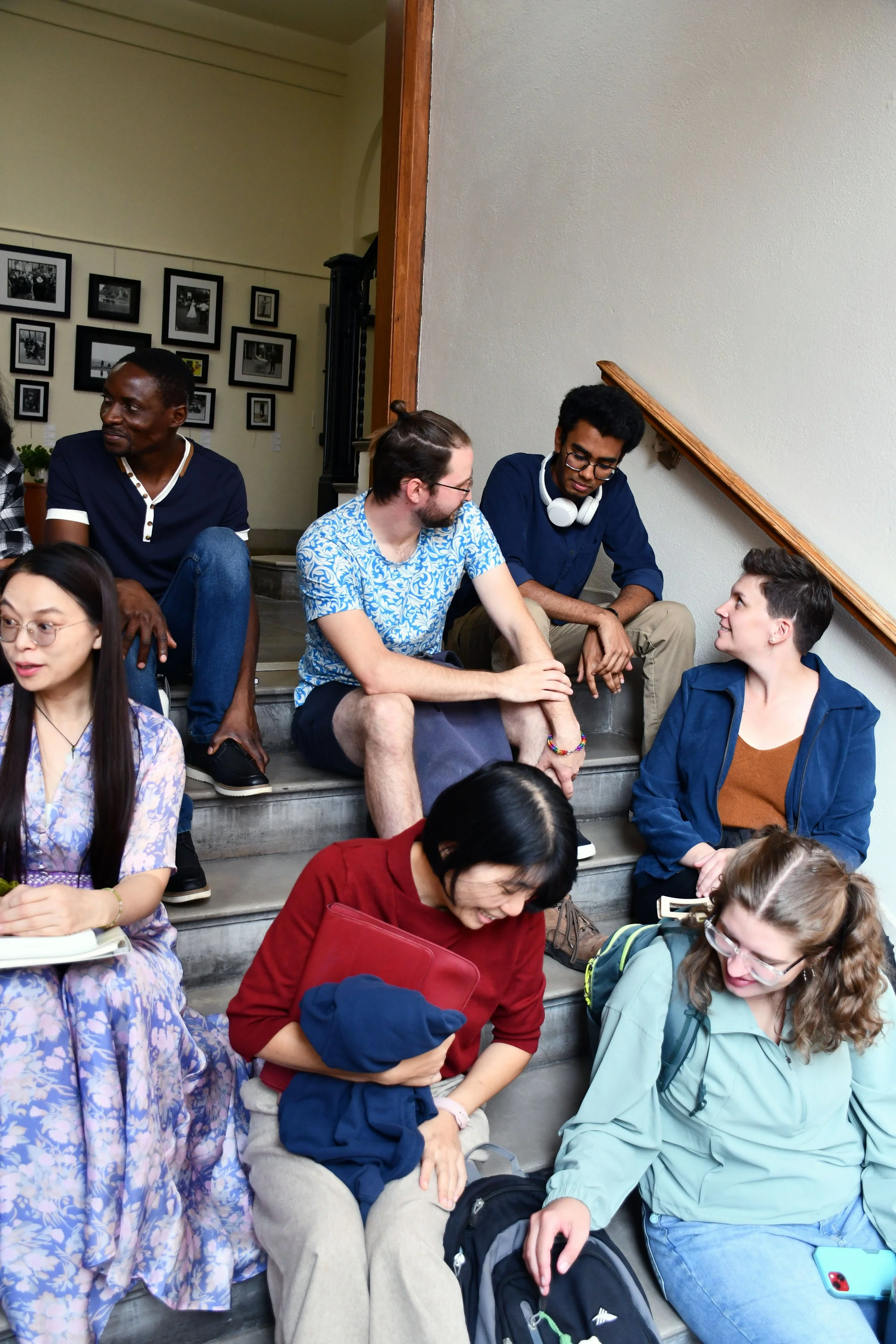
The seminarian of the future may be a full-time pastor in rural Illinois, a community organizer in Chicago, a healthcare professional in Seoul, a church planter in Harare, a nonprofit leader in Buenos Aires, or a student discerning ministry while balancing work and family responsibilities. Some will study full-time. Many will not. Some will learn in classrooms. Others will learn primarily through hybrid and virtual environments. What unites them is not geography or circumstance, but a shared commitment to being formed for service in the communities they love.
Garrett is already building this future.
We are expanding pathways for part-time students and working professionals. We are strengthening innovative hybrid and distance-learning models that allow students to remain rooted in their local contexts while engaging a rigorous, globally connected educational experience. We are investing in technologies, pedagogies, and support systems that make excellence accessible without sacrificing depth.
We are removing barriers that have too often limited access to theological education. But increasing access is only half of our work. We must ensure that students can thrive.
Many students will never be able to afford to move to Chicago’s north shore. This should not mean they can’t pursue their vocation, and it must not mean that they be treated as second-class learners. When Garrett committed to offering fully remote academic programs, we made a promise to our students and ourselves: Remote students’ education would be just as transformative as the one their in-person peers receive.


Love the Lord Your God with All Your Mind
Take mental health and community resilience: Communities across the country are afflicted by rising anxiety, depression, loneliness, trauma, and emotional distress. Healthcare systems are stretched. Access to care remains uneven. Many individuals wait months for services or receive no support at all. Rural communities, underserved neighborhoods, older adults, caregivers, clergy, and young people often face particularly significant barriers.
Garrett is uniquely positioned to address this challenge.
The Seminary's robust Master of Arts in Pastoral Care and Counseling program provides a strong foundation upon which something larger can be built. Working with sites across Chicagoland, we can help students gain clinical hours and increase the mental healthcare resources available to our community. Beyond Evanston, we could establish regional partnerships with congregations, nonprofit organizations, healthcare providers, and counseling centers. Telehealth partnerships can expand access to communities where mental health resources remain scarce. Specialized programs could support caregivers, aging populations, trauma survivors, clergy, and community leaders.
Love the Lord Your God with All Your Heart and Soul
Garrett’s commitment to wellness extends beyond the brain, and our Religion and Global Health Forum is already exploring ways we can also labor for whole-person healthcare.
The challenges facing communities today increasingly reveal the limitations of addressing health solely through clinical systems. Moreover, the closure of rural hospitals throughout the United States and other geo-regions offers an opportunity to train clergy as first responders in a woven network of care.
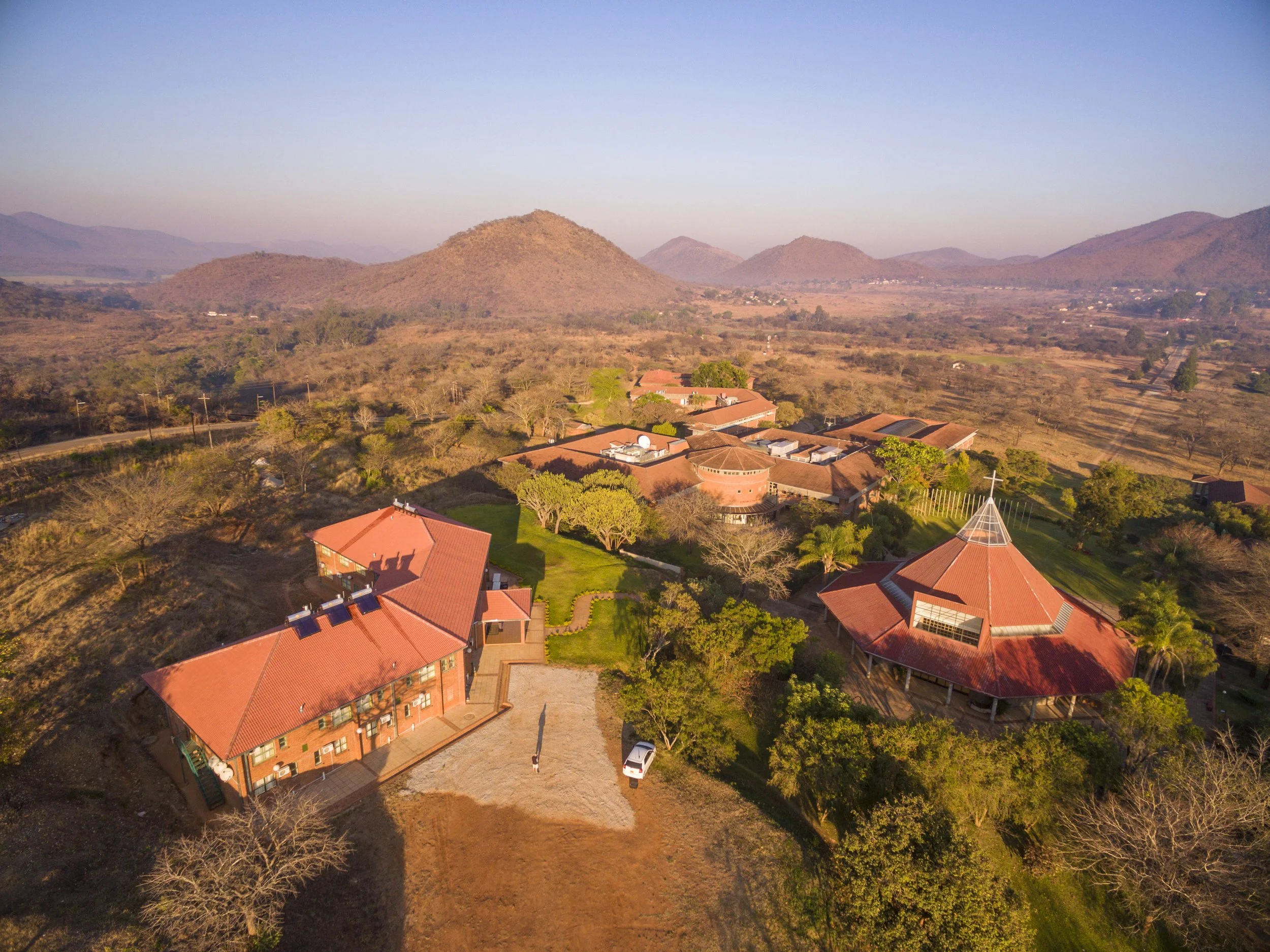
Through partnerships with Africa University in Mutare, Zimbabwe, Garrett plans to train clergy so they can spot medical needs and help people discern when they should seek professional treatment. Throughout the continent, many people live where the nearest hospital may be several hours away, but a church is walking distance. On top of these structural hurdles, a history of discrimination within the medical and pharmaceutical industries has sowed widespread suspicion. As trusted community leaders, clergy are uniquely positioned to mend this breach.
Ministers can counsel parishioners, tracking the symptoms for chronic conditions and identifying worrying signs that demand swift attention. They can also serve as mediators between families and medical professionals, helping to nurture trust and educate doctors and nurses how to modify care for their patients’ specific religious and cultural needs.
While these needs are particularly acute in the African continent, mistrust in medical institutions and a lack of availability for local care are widespread. Here in the United States, we’ve seen both forces contribute to crises like the resurgence of measles. The training we develop in Africa will offer a blueprint that the Religion and Global Health Forum can modify and implement in rural Wyoming or South Dakota, in mountainous villages in Chile or remote Indian states.
Love the Lord Your God with All Your Strength
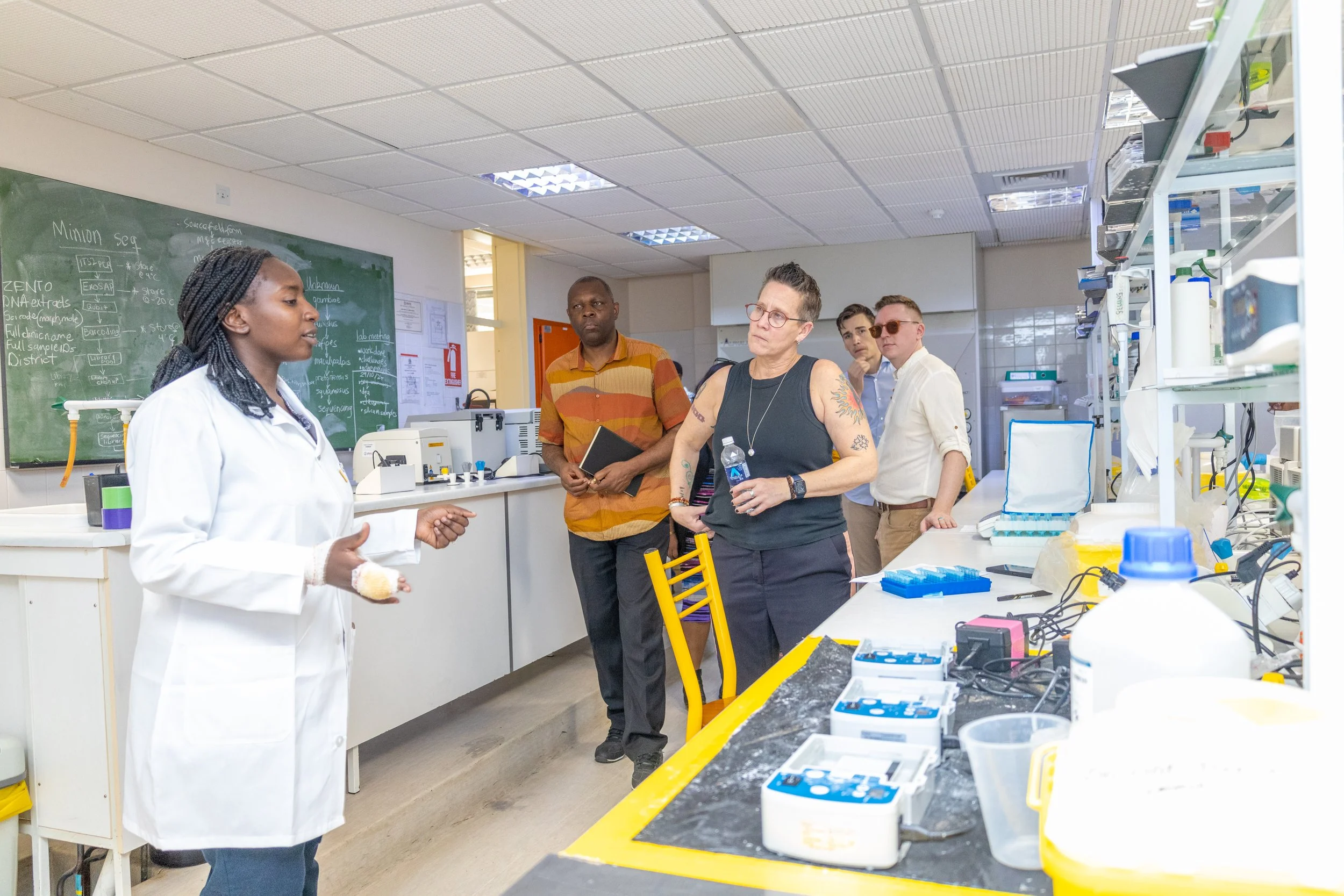
The work of ecological repair is not new to Garrett. It is already part of the Seminary’s life, scholarship, and public witness. Through Dr. Timothy Eberhart and the Center for Ecological Regeneration, Garrett has been cultivating a body of knowledge, practice, and partnership.
That matters because ecological challenges cannot be addressed adequately through technical solutions alone. Solar panels, food systems, conservation projects, and sustainability plans are important, but they are not sufficient if they are disconnected from questions of justice, place, belonging, and shared responsibility. Communities do not experience climate disruption as an abstract global issue. They experience it through flooding, heat, food insecurity, utility costs, displacement, environmental illness, and the loss of confidence that future generations will inherit a stable and life-giving world.
The Seminary can prepare leaders who understand ecological challenges not only as scientific or policy issues, but as moral, spiritual, and communal realities. It can help congregations discern how their land, buildings, relationships, and mission might contribute to local healing. It can support students in learning how environmental stewardship connects to pastoral leadership, community organizing, public theology, and institutional renewal.
The opportunity is not only to make Garrett more sustainable, though that work matters. Nor is it only to teach students about creation care, though that work matters as well. The larger opportunity is to help faith communities become active participants in ecological repair and community renewal.

Leading for Tomorrow
Every generation inherits challenges that test the character of its institutions. Trust in public institutions has declined. Trust in political systems has weakened. Trust in media, business, higher education, and even religious institutions has become increasingly fragile.
At the same time, the need for leadership has never been greater.
Concerns about artificial intelligence, healthcare access, environmental responsibility, economic inequality, religious freedom, democratic participation, human dignity, and institutional accountability cannot be resolved through expertise alone. They require judgment. They require values. They require leaders capable of weighing competing responsibilities while maintaining a commitment to the common good.
These are precisely the kinds of questions theological education has engaged for centuries.
Situated adjacent to Northwestern University, Garrett occupies a unique position within one of the world's leading academic communities. This proximity creates opportunities for collaboration that few theological schools can match.
Northwestern's strengths in management, healthcare, public policy, organizational leadership, innovation, and research complement Garrett's strengths in ethics, formation, community leadership, and moral reflection. Together, these institutions represent a powerful combination of expertise that becomes increasingly valuable as leadership challenges grow more complex and interconnected.

Moving Toward God’s Promise
Mental health is connected to social connection, caregiving, and community resilience. Public health is connected to trust, leadership, and belonging. Ecological wellbeing is connected to economic stability, neighborhood vitality, and human dignity. Questions surrounding technology, public life, and institutional trust are ultimately questions about values, responsibility, and what it means to flourish together.
These realities are complex. They cannot be addressed by any single institution acting alone. Yet they do require institutions willing to accept responsibility for helping communities navigate them. For nearly twocenturies, Garrett has prepared leaders to do this work.
This report shows incredible impact that Garrett is already having on our students, our communities, and the world—ministries that already move us toward God’s will for our lives.The opportunity before us is to build upon that foundation.
Abundance is often understood primarily in financial terms. Yet vision alone does not build capacity. Institutions become what faithful people make possible through sustained investment over time. Every generation inherits the work of those who believed enough to build beyond their own moment, strengthening institutions that would prepare leaders they would never meet and serve communities they would never see. The Abundant Spirit Campaign invites today's partners to do the same, to invest not only in Garrett's future, but in the countless lives and communities that future will shape.
This Homecoming, we invite you to experience the full articulation of this campaign, to celebrate who we have been, and dream together about who we can become.
A seminary deeply rooted in leadership formation. A trusted convener. A catalyst for collaboration. A partner in community flourishing. An institution of greater consequence in the life of the Church and the world.
The table is set. RSVP by November 2 for Homecoming and prepare to join the feast.
To fulfill this promise, we must build state-of-the-art classrooms and expand our physical presence around the globe through international partnerships.
Garrett is moving toward a collaborative, decolonial approach to theological education. We are beginning to build global hubs in Zimbabwe, India, Korea, and Latin America, delivering courses in partnership with local churches, institutions, and leaders in those regions. Sometimes this will look like Garrett faculty traveling internationally to teach an intensive course. Other times, it may offer Evanston-based students an opportunity to travel internationally to take courses with international colleagues, learning from local professors.
Already, we hear from U.S.-based students that the high percentage of international students is a significant part of what drew them to study at Garrett—and one of their favorite parts of a Garrett classroom. In an increasingly interconnected world, cultural competency is more than a luxury. It’s an essential skill.
Access to international scholars deepens research. Instruction by international clergy platforms local wisdom. Problem-solving benefits from information exchange.
But these hubs benefits will extend far beyond the individual students whose learning they support. Many geo-regions are desperate for trained clergy, counselors, and community organizers. They need leaders who will take lessons from Garrett’s curriculum and apply them to address pressing community challenges.
Philanthropic partnership allows Garrett to build these relationships thoughtfully and sustainably, investing alongside local communities rather than merely extending institutional reach. In doing so, your investment strengthens not only Garrett, but the global network of leaders and institutions working toward shared flourishing.
Trained to Serve
Garrett Seminary was created through the union of three institutions: the Garrett Biblical Institute, the Chicago Training School, and Evangelical Theological Seminary. While each school had different emphases and approaches, they were united in one conviction:
Theological education is not about acquiring knowledge for its own sake. It is preparation to meet the world’s most pressing needs.
Economic projections suggest that millions of new care providers will be needed by 2050. The demand for trauma-informed counselors is surging. Chaplains are fervently sought in military, industrial, and medical placements. Swiftly growing churches in Africa, Latin America and Southeast Asia need professional clergy. Many congregations throughout the United States need ministers who can sustain bivocational calls—tethered between church and community.
We need vocational formation in areas where emerging forms of ministry are being cultivated, and job availability is growing.
We must expand our curriculum, so students are prepared to answer these calls. We must invest in institutional relationships where students can develop the necessary skills. If those field education placements cannot afford to pay student workers, we must fund their work. If theological education is, first and foremost, the work of preparing servant leaders, that requires building new infrastructure where students will be sent.
Ecosystems for Innovation
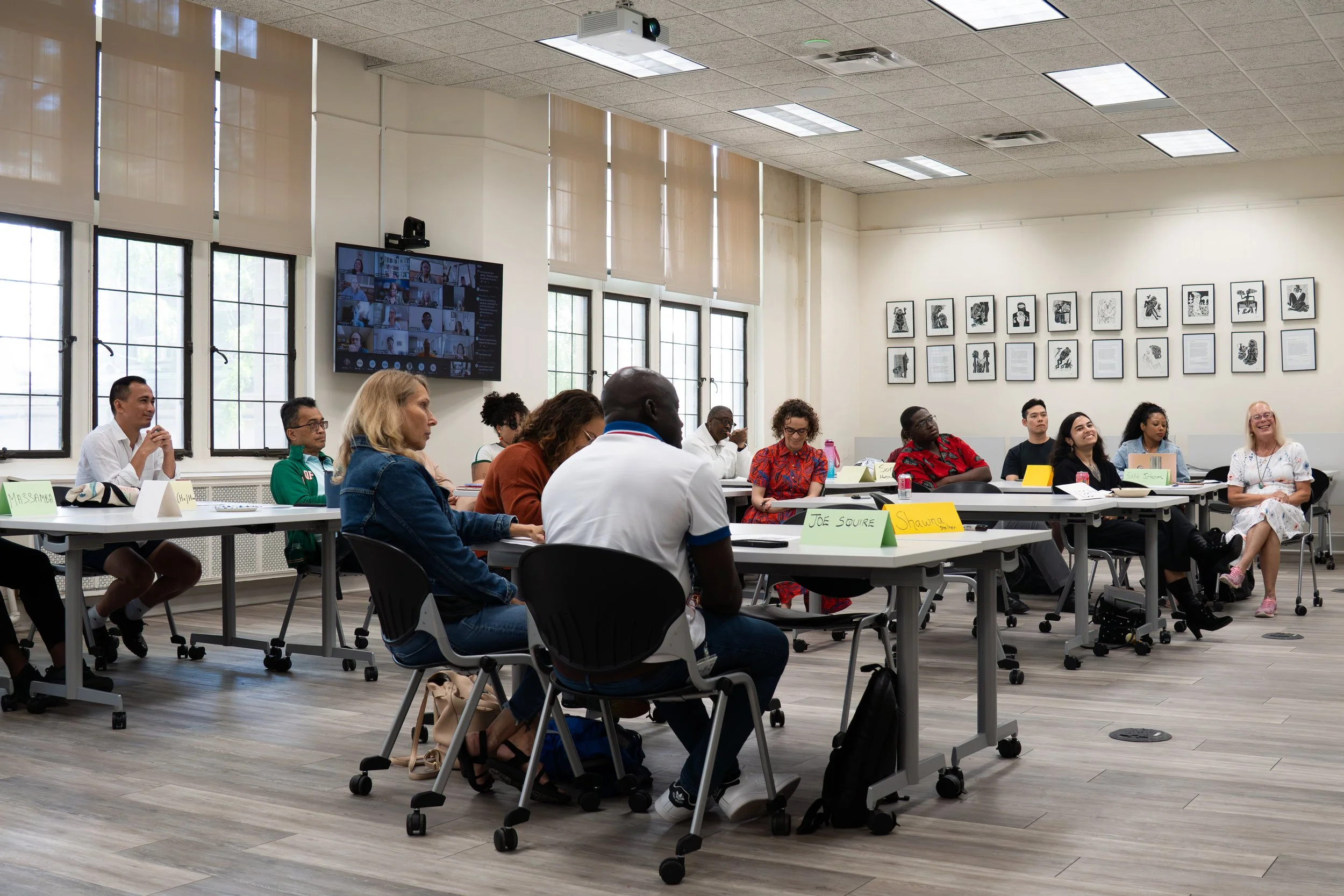
Many of the most important solutions begin with people who understand a problem intimately. A pastor notices that that young people need pathways to leadership and economic opportunity as much as they need traditional programming. A hospital chaplain recognizes that patients often leave a healthcare setting only to return to communities that lack the relationships and resources necessary to sustain healing. A nonprofit leader sees how social isolation contributes to declining mental health among older adults.
People encounter opportunities for meaningful change every day. They recognize needs, imagine possibilities, and develop ideas that could strengthen lives and communities.
Too often, those ideas remain unrealized. Garrett can change that.
By investing to expand faculty research and the ongoing work of our centers and institutes, Abundant Spirit will weave students, professors, and alumni into networks where formation meets opportunity. Rooted in Garrett's commitment to usher in God’s Kingdom, we’ll work with community partners to develop practical solutions to pressing challenges.
Space for God
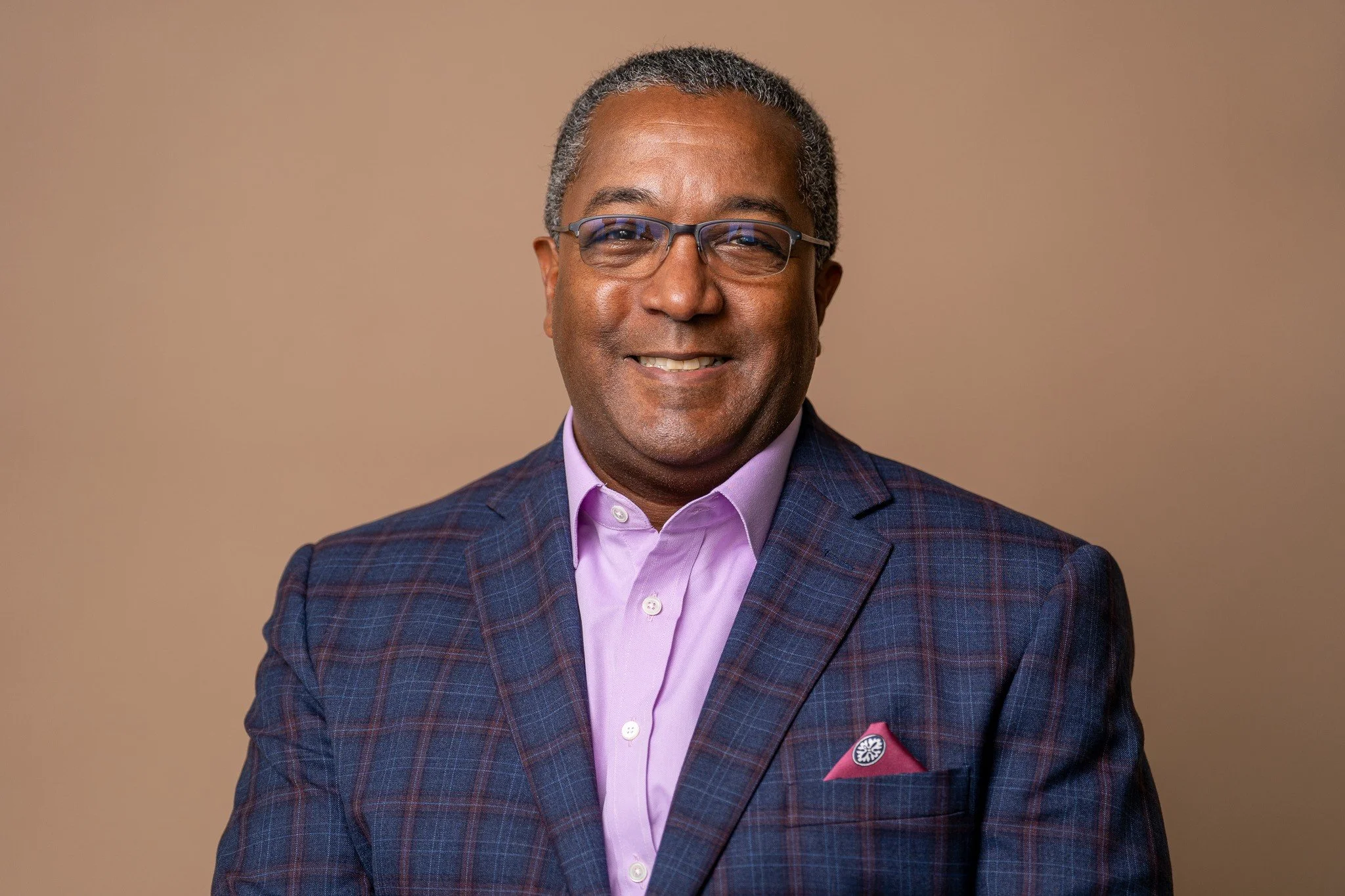
Rev. James Clark III ’07 brings a theological perspective to how churches manage their property. It’s a wisdom he shares in his role on Garrett’s board of trustees as we shape the seminary’s future.